






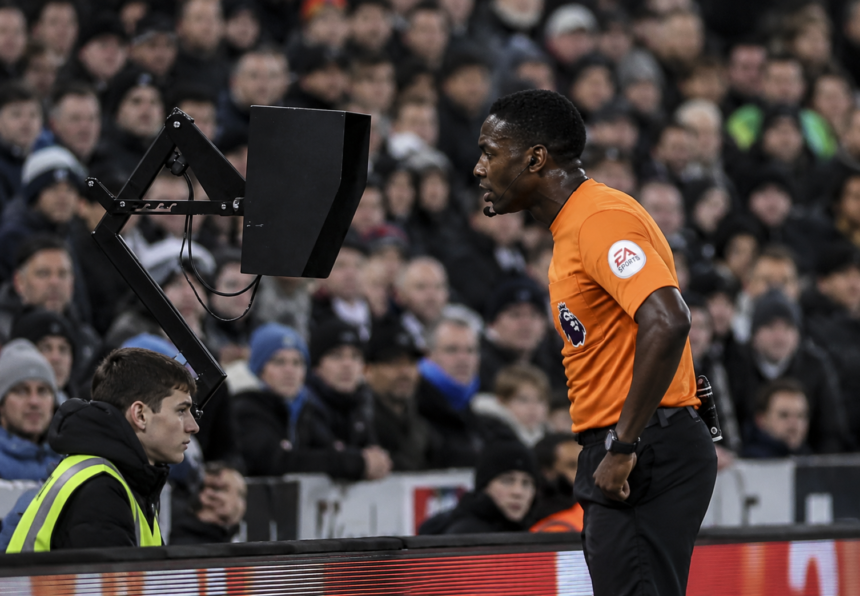
VAR enters the 2026/27 season with a slightly different set of responsibilities. Some incidents that previously escaped review may now receive additional attention. Other adjustments are designed to keep matches moving and reduce unnecessary interruptions. The changes are not dramatic on paper. Their effect could become more noticeable once competitive fixtures begin. Together, they could influence how matches unfold and, by extension, how goal-related markets develop throughout the campaign.
Football authorities hope the revisions will create greater consistency. Whether that happens immediately remains uncertain. What seems more likely is that players, coaches and officials will require time to adapt.
The updates include VAR intervention on selected incidents before restarts. They also cover incorrect corner decisions and mistaken identity disciplinary situations.
Many supporters following regulatory developments across major leagues also use platforms such as 1xBet Gambia while keeping track of football news and match analysis throughout the season.

Main Changes in VAR Application
One recurring complaint in recent seasons involved incidents that could not be reviewed despite having a clear impact on the next phase of play. The latest adjustments attempt to address some of those situations.
Officials can now review certain fouls that occur before a set-piece is taken. Incorrect corner decisions may also receive additional scrutiny. Mistaken disciplinary sanctions remain another area where intervention can occur.
These adjustments may appear relatively small in isolation. Football matches, however, are often shaped by individual moments.
A wrongly awarded corner can lead directly to a scoring opportunity. An incorrect foul decision may interrupt a promising attack. Correcting those situations could influence the rhythm of matches in subtle ways.
The practical impact may vary between competitions.
Leagues with faster transitions may experience different effects from leagues built around more controlled possession. Referees themselves will also play a role in determining how consistently the new guidelines are applied.
That process rarely becomes uniform overnight.
Influence on Goal-Related Markets
Goal-related markets naturally attract attention whenever officiating procedures change.
Both teams to score markets are particularly sensitive because they depend on opportunities being created at both ends of the pitch. Small shifts in match flow can influence those opportunities.
More consistent decision-making may encourage smoother passages of play. Fewer interruptions could help attacking sequences develop more naturally. That possibility has led some observers to speculate about slightly higher goal volumes.
The opposite outcome remains possible.

Defensive teams adapt quickly when regulations change. Coaches regularly adjust structures once patterns become visible. What initially appears beneficial for attackers can become less significant once teams modify their approach.
BTTS markets in competitions such as the Premier League and Serie A may therefore respond differently.
The Premier League generally produces a faster tempo. Serie A often places greater emphasis on tactical organisation. Those distinctions matter when assessing the potential influence of rule changes.
The 1xBet login provides access to updated statistics and market information as competitions begin adapting to the revised VAR framework.
Why Early Season Data May Matter More Than Predictions
Rule changes often generate discussion long before meaningful evidence becomes available. The first months of the 2026/27 season may provide a clearer picture than any pre-season projection.
Some competitions could adapt quickly. Others may require more time. Referees rarely apply new guidelines in exactly the same way during the opening weeks. Small differences in interpretation can influence match flow.
BTTS markets are particularly sensitive to those changes.
A single decision can affect the entire structure of a match. An overturned foul before a dangerous set-piece may remove a scoring opportunity. A corrected corner decision can create one. Over the course of a season, those moments accumulate.
The Premier League will likely attract the most attention because of its scoring profile. Serie A presents a different case. Tactical discipline often plays a larger role there. The impact of VAR adjustments may therefore appear less obvious.
Teams themselves will also adapt.
Coaching staffs analyse officiating trends quickly. If certain types of challenges receive greater scrutiny, defensive behaviour may change. Players often modify decision-making once patterns become clear.
That process rarely happens immediately. Early-season matches can sometimes look different from those played in the spring.
Historical examples support a cautious approach. Previous VAR adjustments produced strong reactions during the opening weeks. Many of those assumptions faded once clubs, officials and players adapted to the new environment.
For that reason, short-term fluctuations should not automatically be viewed as long-term trends. A handful of matches rarely provides enough evidence. Broader patterns usually emerge after several months of competition.
By that stage, BTTS markets may begin to reflect the practical impact of the new rules rather than the expectations that surrounded them before the season started.
Key Factors to Monitor During the Season
Several indicators may help clarify how the revised VAR system influences matches over time:
- Set-piece frequency and outcomes.
- Overall game tempo.
- Defensive adaptation to stricter reviews.
- Consistency of officiating decisions.
- Goal-scoring trends compared with previous seasons.
Each factor deserves attention on its own.
Set-piece situations remain particularly important because many matches are decided through dead-ball opportunities. Even minor changes in corner decisions or foul reviews could affect scoring patterns.
Game tempo may prove equally significant. Fewer interruptions can alter the rhythm of contests. The effect may not always appear immediately in goal totals, but it can influence chance creation.
Referee consistency will remain under scrutiny throughout the season. Different leagues often develop distinct officiating tendencies. Monitoring those differences may reveal patterns that are not visible in broader statistics.
What The Early Months May Reveal
The revised VAR framework enters the season with clear objectives. Greater accuracy sits at the centre of those ambitions. Improved game flow forms another important part of the discussion.
The practical effects remain uncertain.
Football has a habit of responding to new regulations in unexpected ways. Coaches adjust. Players adapt. Tactical trends evolve. The interaction between those elements often matters more than the rule itself.
For BTTS markets, the most useful information will come from actual match data rather than pre-season assumptions. Early evidence should be treated cautiously. Longer-term patterns will carry greater value.
The 2026/27 season may not deliver immediate answers. It should, however, provide a clearer understanding of how modern VAR protocols influence attacking play, defensive organisation and the moments that ultimately decide football matches.