






On April 12, 2009, Oluwatobi Wande Ojosipe, popularly known as Wande Coal, etched his name in the lights. His debut album, Mushin 2 Mo’Hits, landed with a bang that continues to reverberate through the fabric of Nigerian music. Widely regarded as the genesis of Afropop, M2M was a foundational record that provided the sonic blueprint for contemporary Nigerian pop music.
The album also established Wande Coal as one of the scene’s most important and influential figures, with his imprint continuing to echo across many of today’s defining acts. The term ‘classic’ is one that has been cheapened by overuse, particularly within Nigerian pop parlance. However, if there’s one album that truly embodies the definition of the term, it’s Mushin 2 Mo’Hits.
Coming out of the gates with a debut album as crucial, influential, and widely impactful as Mushin 2 Mo’Hits meant Wande Coal had set the bar remarkably high and the expectations surrounding him even higher. When one also considers the depth of his sheer talent (his unrivalled vocal range, effortless ability to craft infectious melodies, and expansive sonic palette), the expectation that he would deliver a body of work superior to his debut seemed entirely fair. After all, to whom much is given, much is expected.
To say it politely, Wande Coal’s subsequent offerings have failed to showcase the level of quality his debut album packed. Wanted, his sophomore album, lacked a clear sonic or narrative direction, as evidenced by its uneven production and sketchy lyricism. The same was the case for his 2023 effort, Legend or No legend. An album that had its brightest moments overshadowed by weak lyricism and a lack of clarity in direction.
The failings of those albums (particularly Legend or No Legend, which was highly anticipated) seem to have created a sense of cynicism around Wande Coal and his music. Many have seemingly resigned to the fact that he may never live up to the promise of yesteryear. And with a new generation of Afropop superstars ascending to prominence, there’s only so much attention that can be afforded to even a legend like him. This probably explains why Best of Both Worlds (his collaborative EP with Grammy Award-winning producer Kel-P) sailed under the radar despite showcasing his immense brilliance and possessing the cohesion his previous albums had lacked.
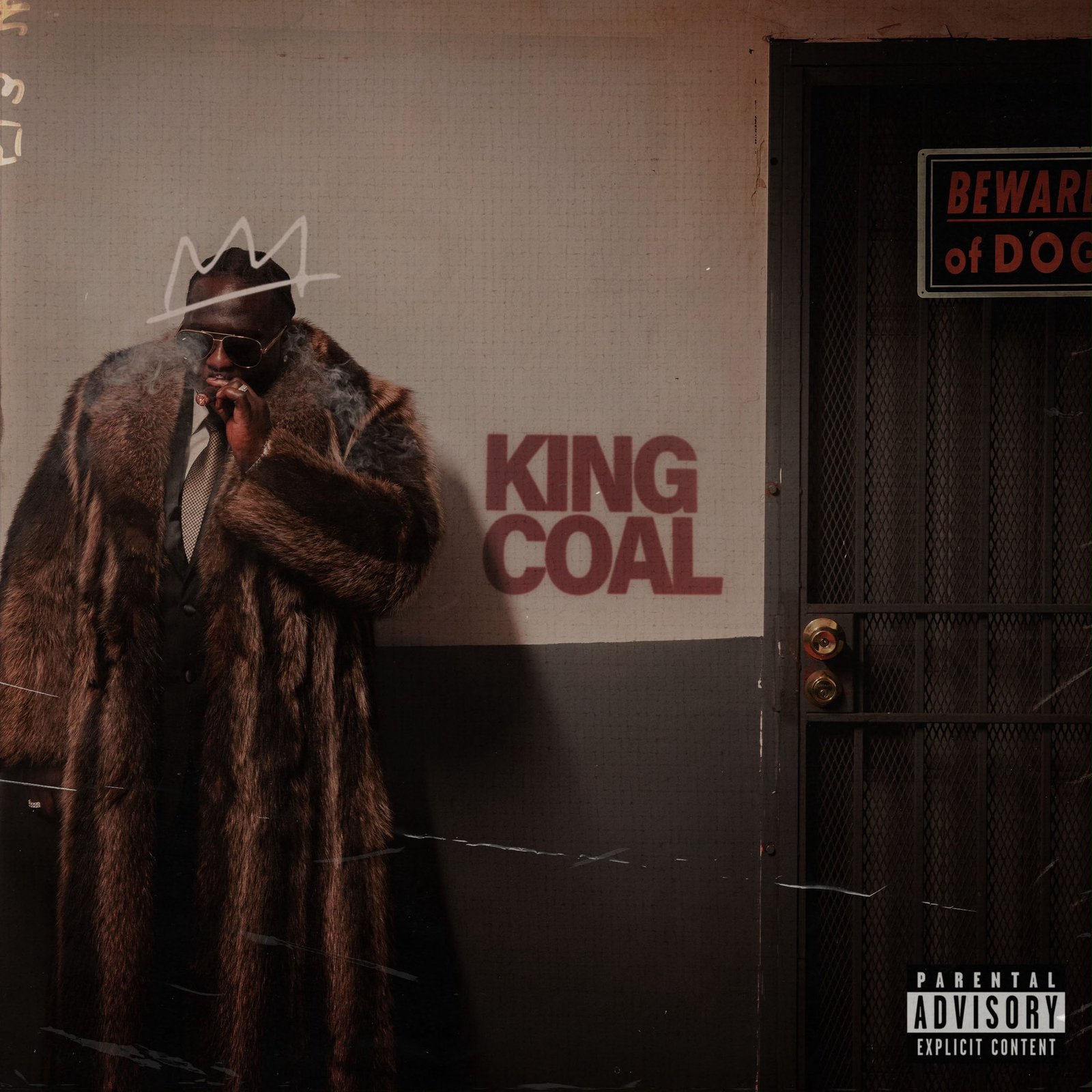
It also probably explains why the reception to his latest album, King Coal, has been lukewarm to say the least. Released on June 26, 2026, the 16 tracker is his fourth studio album, heralded by lead singles Dem Go Pay and Dearly, featuring Qing Madi. Arriving at a time when many believe the Afropop scene is severely bereft of creativity and innovation, an album by the man who provided the blueprint for its sonic architecture should ordinarily have been met with widespread fanfare. Instead, it arrived to muted reception. Fortunately, history has shown, time and again, that reception is not always an accurate barometer of quality.

“I’m a teacher of love”, Wande Coal said in an interview appearance on Beat FM as part of the media rounds supporting this album. Indeed, the art of crafting deeply compelling records that capture the ache of love is one he is exceptionally skilled at. Records like Will You Be Mine, Superwoman, Kiss Your Hands, Again, and Olulofe, a record considered one of the greatest Nigerian contemporary love songs ever recorded, capture the extent of his competence in this regard.
It is on that note that he ushers listeners into the experience that is King Coal. “Don’t hurt my feelings”, he sings on the emotionally charged opener, Feelings. The production is minimalist, with lush strings, guitar licks and short bursts of rolling toms forming the framework of the instrumental. The record finds Wande at his most vulnerable, stripping away the bravado that often characterises modern relationships. He expresses his deep attachment with lines like “I think about you so bad that I can’t sleep at night” with the expectation that his lover handles his heart with care.
“I never see anybody wey love you pass me”, he goes further on the stellar R&B number. Dearly. He teams up with the young sensation Qing Madi who doesn’t just hold her own but shines brightly opposite one of Nigeria’s greatest vocalists. Employing simple yet compelling lyrics carried by emotionally charged delivery, they deliver one of the year’s finest love songs.
Having laid bare his heart on Dearly, Wande spends Must Be Love arriving at the only logical conclusion: this must be love. Where Dearly bridges generations through Qing Madi’s youthful POV, Must Be Love continues that conversation with the experienced presence of Tiwa Savage, who acknowledges the imperfections and complexities of love but understands commitment is a choice.
On Gbesunmo alongside Ruger and BNXN, he outlines his desire to bathe her in luxury only if she comes closer. To love is to hurt, they say. Wande experiences this first-hand and translates these bittersweet experiences into art with records like Crime and Question. “Is it a crime to love you? Am I disturbing you?” he asks on the former.
As is common with Wande Coal albums, his versatility shines as he explores a range of genres throughout the album’s forty-one-minute runtime. Nobody Knows is an Afropop facing Reggae record that starts as a record that explores his inability to express overwhelming romantic feelings for his love interest before unravelling into one that reasserts his status, fires at critics, and celebrates how far he’s come. From where to where?
The braggadocio is more pronounced in Regard alongside Jamaican artist Projexx. Mariachi-esque instrumentation runs throughout the record as Wande employs pop-rap flows to boast about his status, wealth, and the respect he commands across the globe. And why not? He’s flying private jets, his bank account is overflowing, and he’s rubbing shoulders with wealthy northern elites like Aminu Dantata, as he reveals on the speaker-rattling Dem Go Pay.
While the first half of the album is dedicated to giving a voice to matters of the heart, the second half is, for the most part, where Wande lends himself to the dancefloors. Here, the songwriting is less detailed, the vocals less emotionally charged, and the production takes centre stage. “Fuck with me, then you gon’ know,” he belts out on the hook of the high-energy EDM anthem 6ix, which features Laz. It’s not a song that’s necessarily about anything in particular, but it could very well become a staple of DJ sets, especially given the increasing popularity of EDM-influenced records sweeping through Nigeria’s pop scene.
The same can be said for Oshe, which features Wizkid and employs a similar EDM approach, albeit one that is sorely lacking in energy when compared to 6ix. EDM fundamentally thrives on rhythm more than melody, and this record does the reverse. As a result, it slightly dulls the listening experience. On the uptempo, Krazytunez-produced Afrobeats record, he invites rising star Dera to join him in crafting an anthem that reveals his relentless ambition to keep earning, regardless of how much he has already amassed.
Porsche Panamera feels like a lazy attempt to recreate the magic of So Mi So. It’s a decent record because, well, it’s Wande Coal, but it still comes across as uninspired. Balenciaga is a celebration of life and success. His flow momentarily recalls BNXN’s cadence on Joeboy’s Normally. Sure For Me is stunted by the familiar deployment of tired log drums, while Wande Coal and Fido fail to inject the record with much-needed vibrancy through their delivery. Fido, in particular, delivers a weak hook. Had these records been left off the album, nobody would have missed them. And in an era where the audience’s attention span is increasingly fragmented, a 12-track album would have been a slightly stronger proposition than 15.
Despite its flaws, King Coal is a much better album than the internet would have you believe. It’s not excellent. However, the album’s high points are quite high, while its weaker moments are not exactly detrimental. To dwell on its shortcomings is to overlook what the album achieves, especially when its peaks largely outshine its valleys.
On large parts of this album, Wande Coal rolls back the years. His vocal range remains unrivalled, and his melodic instinct is as sharp as ever. His versatility is very much intact as he delivers a potpourri of sounds, touching on Afropop, R&B, dancehall, EDM, and Amapiano. Despite the genre-hopping, the album achieves remarkable sonic cohesion, with his melodic fingerprint remaining a dominant fixture throughout, whether he’s cooing over minimalist strings on Feelings or belting threats over EDM production on 6ix. In an Afropop landscape littered with albums plagued by monotony and excessive familiarity, King Coal is anything but that.

Much of the criticism directed at the album stems from the fact that some of its songs would have been far stronger had Wande stuck to a defined narrative and written polished, cohesive compositions rather than freestyling his way to the finish line. Those are valid criticisms. I’d argue, however, that outside of Nobody Knows (where he noticeably fails to stay on topic), every other song that required a defined narrative delivers. The songs that come across as freestyles were clearly aimed at securing a commercial moment. Yet where those songs falter narratively, they are consistently bailed out by Wande’s melodic brilliance.
Finally, I think people need to stop listening to Wande Coal with the expectation that he’ll recreate Mushin 2 Mo’Hits. It’s an unfair standard. M2M is a generational, once-in-a-lifetime body of work that any artist would struggle to replicate, Wande Coal included. While that in itself may be an impossible task, it’s clear that approaching King Coal without those lofty expectations yields a far more rewarding and satisfying listening experience.