




It’s been twenty years since Flavour released his commercially acclaimed debut album, N’abania. The album was a resounding success in the Southeast, where he was already a budding name, and established the then-22-year-old as one for the future. Since then, Flavour has gone on to prove himself as one of Africa’s greatest acts, delivering smash hits that reverberate across the continent and beyond, as well as timeless albums that continue to enjoy steady rotation and widespread attention.
Throughout his two-decade-long career, Flavour has not only survived different eras of Nigerian music but has also remained relevant across them, carrying the responsibility of pushing Highlife music forward for this generation and the ones to come. His unwavering loyalty to highlife music and his deep appreciation of Igbo and African cultural heritage have seen him become a cultural ambassador who carries these traditions to global audiences. And with his incredible showmanship and timeless music, Flavour has solidified himself as one of Africa’s strongest cultural pillars, carrying the culture with consistency and class.
His ninth studio album, Afroculture, is a beautiful celebration of African music and culture. On this album, Flavour honours African cultural heritage in a way that only he can. Across 13 songs, Flavour delivers an album that is culturally rich and unapologetically African, offering music that excites and overflows with joy.
The album opens emphatically with the Baaba Maal-assisted titular track, Afroculture. On the record, Flavour beckons his listeners to get up, dance and shake their bodies. To do so, he employs a swaggering mesh of drums, Oja flutes, horns, chants, and backing vocals, giving the production a cinematic feel. The record pulsates with energy and rhythm, which all but guarantees that listeners shake their bodies vigorously. Watching Flavour perform this song live is one of this writer’s life goals. Watching Flavour perform this song live is an experience this writer is looking forward to.
Across his storied career, Flavour has consistently delivered beautiful and timeless love records such as Oyi, Golibe, and Ada, to mention a few. He continues this tradition with the Afrobeats and R&B fusion ‘Bam Bam’, where he truthfully and passionately declares his love for his partner over a percussion-driven instrumental. He enlists Pheelz, whose vocals mellow over the mid-tempo beat as he professes undying love, proving to be a competent dance partner. Likewise, Qing Madi shines brightly on ‘Orente’, a stunning Highlife record driven by R&B melodies which samples Nelly and Kelly Rowland’s enduring anthem Dilemma. Qing Madi’s melodies perfectly complement Flavour’s passionate singing, together delivering one of the best duets of 2025.

Flavour is one of Nigeria’s most reliable hitmakers, consistently delivering smash hits that reverberate across dance floors, weddings, and all kinds of celebrations. On this album, he delivers a number of such records, none more captivating than the Makossa and Highlife fusion The Eagle Has Landed. Powered by infectious highlife guitars and vibrant percussion, Flavour delivers a record that is guaranteed to have you on your feet dancing. Likewise, the Ogene-driven Big Moves is a vibrant, upbeat anthem driven by lively percussion and highlife guitar riffs, perfect for marking wins and memorable milestones.
This intensity flows straight into the Jaysynth-produced I’m On Fire, where he delivers a chest-thumping record over Amapiano log drums, where he declares his willingness to live life on his own terms while acknowledging his unstoppable momentum. The Kizz Daniel-assisted Pansa Pansa maintains the energy, and the duo deliver a lively collaboration with Kizz Daniel that combines Afropop and Highlife, while Ada Bekee sees Flavour reunite with long-time collaborator Waga G to deliver a record driven by the exciting fusion of Highlife and Soukous.
Flavour’s chosen nickname is Ijele, which is taken from the enormous and colourful Igbo masquerade which he often depicts in his videos and performances. Over heavy drums, chants and soothing backing vocals, Flavour celebrates the “big masquerade”, acknowledging its place as the undisputed king of all masquerades in Igboland before going on to declare himself the undisputed king of the jungle on the Odumeje-assisted War Ready.
The Afropop cut, Isabella, which features Brazilian rapper Azzy, seems like Flavour making a strategic play for the South American market. On Jidenna, he delivers a gospel-adjacent record that encourages listeners to embrace the father and look up to him when they feel weak and lonely, while the album’s closing track, Ife Di Nma, reflects his gratitude to God.
Across 13 songs, Flavour delivers music that will no doubt satisfy the cravings of his expansive listener base as well as excite new listeners who encounter this album. The brilliance of this album lies in its Pan-African spirit, achieved without venturing into politics. Flavour celebrates African identity by weaving together musical elements from across the continent, tying it all together through his Igbo heritage and culture.
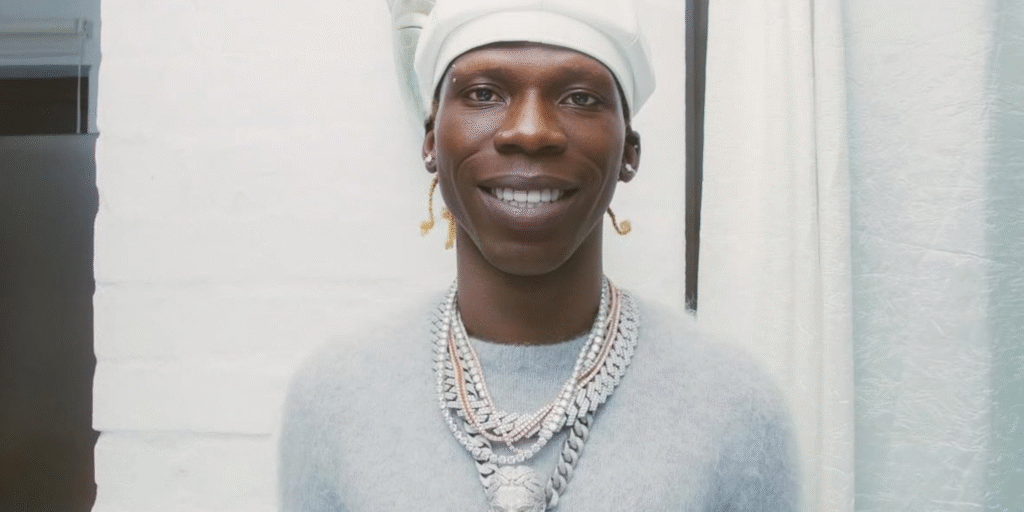
While Flavour retains his familiar musical template on this album, it works brilliantly this time. Strong song selection, polished production, and strategic collaborations with artists like Kizz Daniel, Qing Madi, and Pheelz inject fresh energy into his signature sound. His passionate singing and energetic performance across the album make the listening experience worthwhile, while the cultural essence gives the music depth and richness.
Ultimately, Afroculture is a lavish celebration and exploration of Igbo and African music culture and heritage. It’s the offering of a cultural steward who is at the top of his game and delivering some of his best work twenty years into his career.
Take a bow, Ijele.