





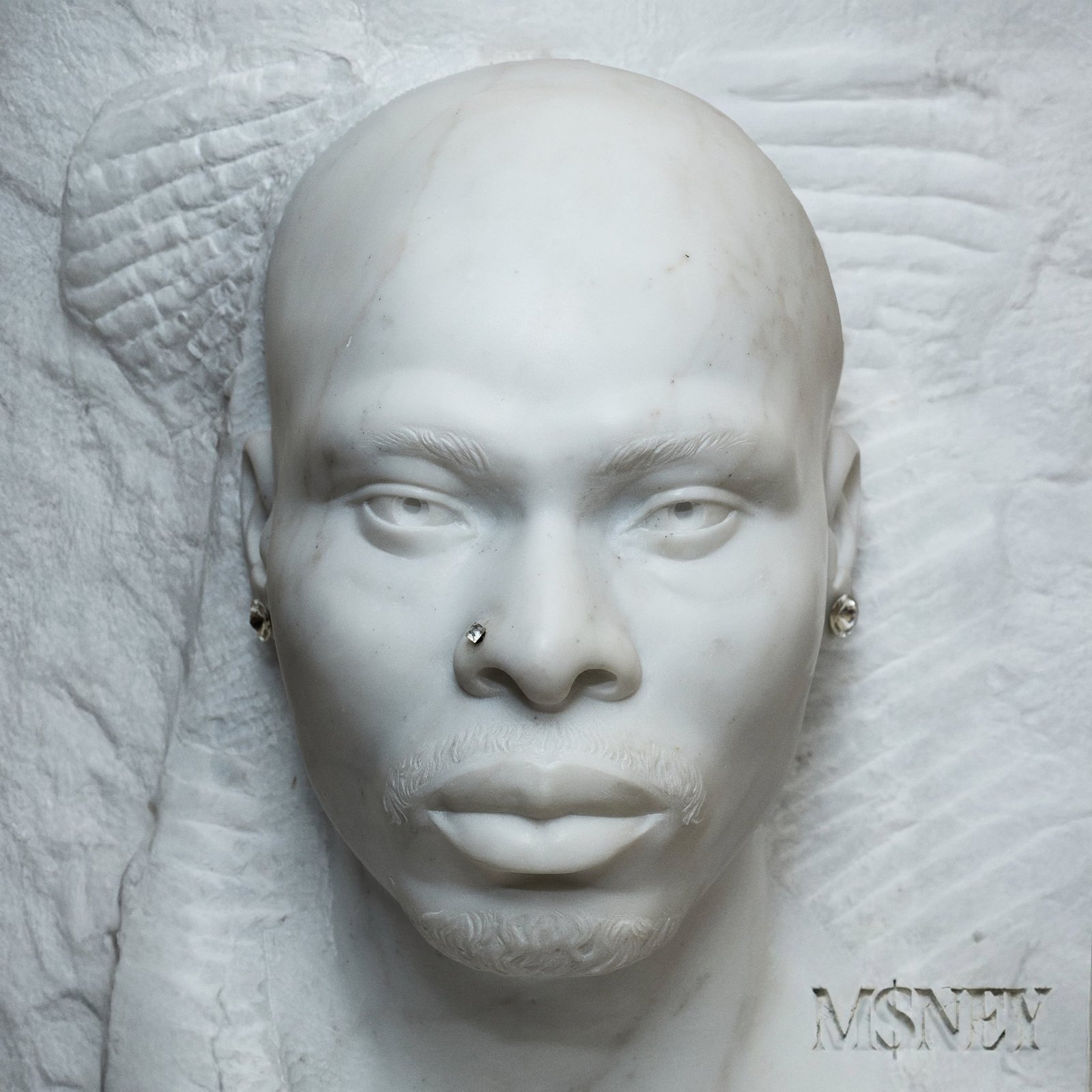
In January 2022, Asake released his breakthrough single, Omo Ope, which featured YBNL honcho Olamide. The single quickly captured the airwaves and powered its way to the top of the charts across streaming platforms. The success of that single would prove to be the launchpad to a blistering rise, the magnitude of which hadn’t been seen in Nigerian music prior. Within a period spanning nine months, Asake had delivered six smash hit records in the run-up to his grand debut album, Mr Money with the Vibe. Asake did not just dominate the charts; he captured the market.
The album was a monumental success and established Asake’s place at the upper echelon of Nigerian music. His subsequent albums, Work of Art and Lungu Boy, also achieved incredible commercial success, transforming him from a street-hop act into a global arena-selling artist. His mind-blowing exploits within the past four years are thoroughly documented.
When you enjoy success on the level Asake has enjoyed in the past four years, your bank account doesn’t just grow, it explodes. Revenue streams like touring, streaming and brand partnerships combine to become a structured income system where millions are continuously generated. The scale of his commercial success is faintly reflected in the designer pieces he wears, the exotic cars he parades, and the lavish gifts he showers on those he considers dear to him. Even his relocation to Los Angeles is a consequence of his new status quo.
It is this new reality that inspires his musings on his fourth album, M$NEY. “Alhamdulillah / Praise be to God, no matter your condition”, he sings on the DJ Snake-assisted Worship. Asake, a firm believer in God, dedicates a significant chunk of the album to expressing his immense gratitude to God for the upturn in his fortunes. “Ìṣe Olúwa, Olúwa lọ mọ,” he sings on Rora, crediting his incredible success to divine orchestration while reinforcing his belief that his destiny is aligned with blessings, singing “Orí mi, kó má kọ́ blessing” on Gratitude.
Oba sees Asake basking in the euphoria of his success and stardom, flexing the luxury he can afford and the recognition he commands wherever he steps. Recognising that his wealth is a blessing from God, he prays for the wisdom and clarity to transform his personal success into generational wealth, singing “Help me align with my thoughts/Grant me wisdom” on Amen. He takes it a step further on the swaggering anthem, Forgiveness, where he acknowledges his past mistakes and requests forgiveness from God while firmly committing to consistently positive actions.
Asake doesn’t say much because, in many ways, there isn’t much to say. He is simply a man enjoying the harvest of his labour and communicating little beyond a deep appreciation to God for the life he now lives. Underneath the consistent appreciation to the divine are words of wisdom directed at those working towards attaining heights he has already reached. He urges them to slow down, stay grounded, and trust God on Rora and warns against internalising negativity and reacting emotionally to everything on Gratitude. “It’s not personal, rárá o,” he sings. On MCBH, he enjoys the rewards of his success without losing spiritual or emotional grounding. “Àdúrà ló ń gbà, ọmọ ọba o,” he reinforces on the track.
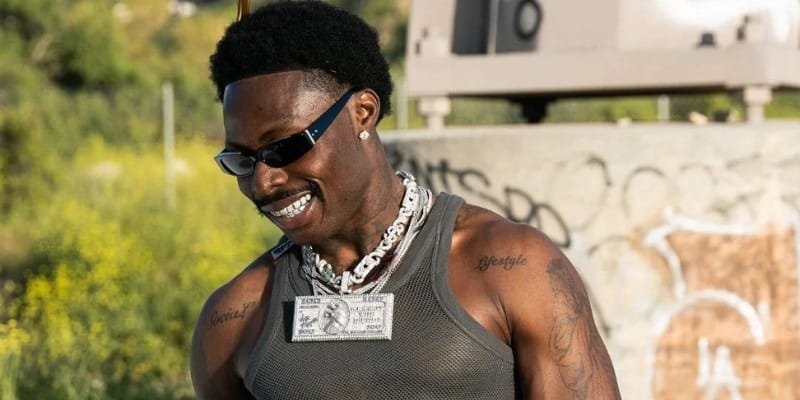
Having captured his state of mind through introspective and spiritually anchored records, Asake shifts his focus to songs driven less by reflection and more by desire. He captures the restless search for love and companionship and becomes deeply invested in it on WA. In Why Love, he showers his love interest with praises that capture his deep admiration for her. His lyricism paints a vivid portrait of a confident, magnetic, and emotionally powerful person. A woman whose presence reshapes the energy of the man admiring her. “You know I’m a soldier boy / But in your case, I will calm down,” he sings passionately. But he eventually realises her attraction to his lifestyle and persona, singing “She loves badman gangsta” on the previously released Badman Gangsta. Tiakola is one of the two features on the album, and his presence will do well to strengthen Asake’s presence in France and Europe. Having expressed his admiration for her and the reasons for his admiration, Asake attempts to take the conversation under the sheets as he desires deeper physical intimacy, singing, “I get many things I want to try, my lady / Man gat many skills, I no fit lie, my baby.”
Asambe sees Asake enjoying his success, spending freely and living without restraint. It’s a vibe-driven record that’s about being in that moment where one realises that life is good and must be celebrated loudly. This record should have closed the album.
As Asake has progressed and broken new ground, there has been a clear shift in performance energy as he’s traded his high-energy, almost ferocious presence on record for a more laidback, restrained delivery. Perhaps another consequence of his new reality. To compensate for his less expressive performance on this album, he goes all out on the richness of the production.

Asake’s music has always been heavily reliant on expansive production. His albums are often sonically adventurous, as Asake and his trusted creative partner Magicsticks tend to experiment with a range of distinct sounds. This album is no different, as the album draws from a wide palette that spans Amapiano, Fuji, Juju, Gospel, EDM, Jazz and even touches of Techno and Calypso. Asake simply delivers melodies that match the luxurious quality of the beat to make for good singles. This blend comes together effectively to elevate the music on this album.
There’s a common notion that comfort and wealth can dull an artist’s edge, and one might be tempted to make that claim here. But in the case of money, it feels less like regression and more like reflection: a mirror of the comfortable life Asake inhabits now, defined by expensive production, lush textures, and luxurious instrumentation.
While Asake doesn’t say much on the album, he does very well to paint a portrait of what money does to him and how it shapes his spirituality, relationships, and sense of self. It’s not just a performance of wealth like many expected. The album shows him trying to figure out how to stay grounded while embracing his new reality. It may lack the magnetic effect that made his earlier releases incredibly compelling, but it still offers a thoroughly enjoyable listen.