





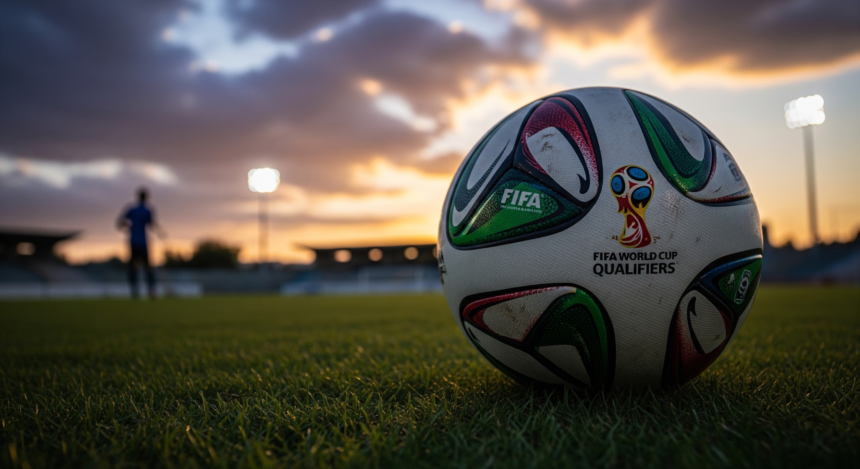
African football has never sent a bigger convoy to a FIFA World Cup. The expanded 48-team tournament has changed the arithmetic, but the qualification campaign still had the old African taste: hostile away grounds, thin margins, disputed rulings, broken favourites, and one or two stories that sound impossible until the table confirms them.
The FIFA World Cup African qualifiers ended with 10 African teams in the 2026 finals: Egypt, Senegal, South Africa, Cape Verde, Morocco, Côte d’Ivoire, Algeria, Tunisia, Ghana, and DR Congo. Nine won their groups. DR Congo took the longer road, surviving the CAF playoff and then beating Jamaica 1-0 after extra time in the intercontinental playoff. That is not just qualification. That is a continent stretching its shoulders.
The Table Finally Stopped Moving
The final standings told two different stories at once. The giants who handled business looked almost cold-blooded. Egypt finished Group A unbeaten on 26 points, Senegal won Group B with 24, Morocco took a perfect 24 from eight matches in Group E, Côte d’Ivoire topped Group F without conceding, Algeria hit 25 in Group G, Tunisia reached 28 in Group H without allowing a goal, and Ghana closed Group I on 25.

Then came the shocks. South Africa edged Nigeria in Group C by one point, 18 to 17. Cape Verde finished above Cameroon in Group D, and that line on the table may still sting in Yaoundé. Cape Verde’s first World Cup appearance is not a romantic footnote; it is the reward for a campaign that treated discipline as a weapon.
| Group | Qualified team | Final record | Points |
| A | Egypt | 8W-2D-0L | 26 |
| B | Senegal | 7W-3D-0L | 24 |
| C | South Africa | 5W-3D-2L | 18 |
| D | Cape Verde | 7W-2D-1L | 23 |
| E | Morocco | 8W-0D-0L | 24 |
| F | Côte d’Ivoire | 8W-2D-0L | 26 |
| G | Algeria | 8W-1D-1L | 25 |
| H | Tunisia | 9W-1D-0L | 28 |
| I | Ghana | 8W-1D-1L | 25 |
Nigeria’s Pain Became the Campaign’s Sharpest Edge
Nigeria did not collapse. That is the cruel part. The Super Eagles lost only once in Group C, scored 15, conceded eight, and still finished second behind South Africa. In another cycle, that might have been enough to keep the road open. In this one, it became a corridor toward another heartbreak.
The Nigeria FIFA ranking remained strong, with FIFA listing the Super Eagles at 26th globally. Rankings, though, do not defend set pieces in wet playoff air. They do not turn five draws into wins. Nigeria’s campaign became a study in what happens when a team has elite names, public pressure, and too many evenings where control does not become three points.
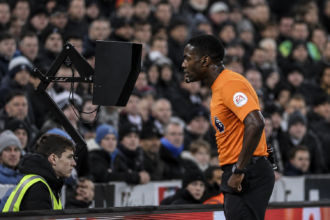
The phrase FIFA Nigeria DR Congo ruling became part of the postscript because Nigeria challenged the eligibility of DR Congo players after the CAF playoff loss. FIFA’s disciplinary process did not restore Nigeria’s route to the tournament, while separate sanctions later punished both federations for match-related incidents. The football stayed messy. The table stayed firm.
DR Congo Found the Door Nobody Else Could Force Open
DR Congo’s qualification was not tidy. It rarely is with the Leopards. They finished second to Senegal in Group B on 22 points, then moved into the playoff lane with the kind of stubbornness that makes neutral observers lean forward.
They beat Nigeria on penalties in Morocco after a 1-1 draw. Then came Jamaica in the intercontinental playoff. Axel Tuanzebe scored in extra time, and DR Congo reached the World Cup for the first time since 1974, when the country competed as Zaire. A single goal. A long wait. A bench spilling into history.
How Betting and Casino Attention Follows Big African Match Nights
Major qualification nights change digital habits before they change anyone’s betting slip. Fans check lineups, watch injury rumours, compare live odds, and keep half an eye on group tables while the match clock starts chewing at nerves. The same audience often drifts toward controlled casino sessions after full-time, and Melbet live casino fits that rhythm with real-dealer blackjack, roulette, and baccarat rather than static lobby play. Live casino rooms work best for users who want pace but still read table limits, side-bet rules, and dealer rotation before staking. The better habit is simple: set a bankroll before the session, understand that RNG or dealer-led outcomes carry a house edge, and treat entertainment time as entertainment time.

Football betting around qualifiers is more analytical than casual casino play, but the psychological trigger is similar: a live event creates attention. Sharp bettors watch substitutions, fatigue, xG patterns, cards, travel burden, and whether a team needs one point or three. After the match, Melbet casino gives players a separate casino section with slots, table games, and fast titles from recognized providers, which suits users who prefer short sessions over match-long markets. The responsible approach is to check game rules, volatility, payout tables, and wagering conditions before touching a bonus. Casino mechanics are not tactics; they are probability, interface design, and bankroll discipline.
FIFA World Cup Players Turn Qualifiers Into Transfer Windows
The FIFA World Cup players emerging from Africa’s 2026 class will not all arrive with the same noise. Morocco brings the expectation left by its 2022 semi-final run. Senegal still carries elite European and Saudi-based experience. Egypt has Mohamed Salah’s shadow over every conversation, whether the match plan runs through him or around him.
The deeper story sits lower in the billing. Cape Verde’s squad will be watched because debut teams often reveal late-blooming professionals who were hiding in plain sight. South Africa’s domestic core gives scouts a different lens, especially after Mamelodi Sundowns’ continental success. DR Congo now gets a platform that can change careers in 90 minutes.
What the Standings Say About African Football Now
Three trends stand out.
- North Africa remains brutally efficient: Morocco, Egypt, Algeria, and Tunisia all topped their groups with authority.
- West Africa still has depth, but not immunity: Ghana, Senegal, and Côte d’Ivoire advanced, while Nigeria and Cameroon missed out.
- Smaller programs have learned how to suffer properly: Cape Verde and South Africa did not need mythology; they needed structure, points, and fewer mistakes than the bigger names.
That is the new African qualification map. Less predictable. More punishing. Better for the tournament.
The Road Ahead Feels Heavier Than the Numbers
The 2026 World Cup starts with Africa carrying more flags than ever, but more flags also mean more judgement. Morocco will be measured against impossible memories. Senegal will be asked to look like a knockout team from day one. Ghana and Côte d’Ivoire must prove their tournament instincts still travel. Cape Verde and DR Congo will walk into stadiums where their national anthems alone may feel like victory.
For the teams that missed out, the lesson is harsher. Nigeria’s squad had enough talent. Cameroon had enough history. Neither had enough points when the road narrowed. In African qualifying, reputation still travels with the team bus, but it no longer gets a seat on the pitch.