






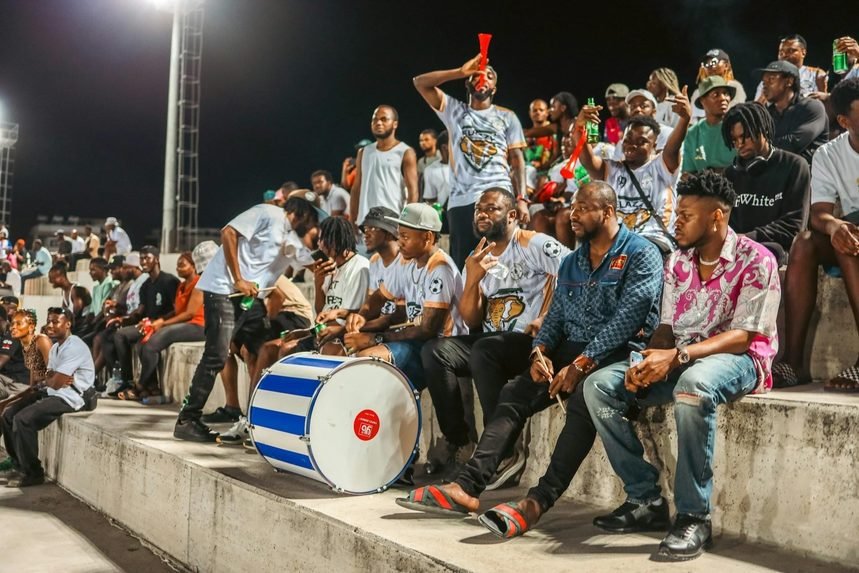
Football loyalties do not always follow geography. Across Africa, a supporter can feel deeply connected to a club in London, Manchester, Liverpool, Madrid or Milan despite never having visited the city. Weekend routines are shaped around European fixtures, club shirts are everywhere, and arguments about managers or transfers can become as intense as discussions about local football.
That connection has been built over decades rather than appearing overnight. Television exposure, the success of African players in major European competitions, family traditions and the growth of social media have all played a role. European football has become part of the everyday sporting culture of many African countries, while African players have helped make those competitions feel far less distant.
African Players Give Supporters a Personal Connection
One of the strongest links between African audiences and European clubs is the players themselves. When a footballer from Nigeria, Senegal, Ghana, Egypt, Côte d’Ivoire or another African nation becomes important to a major European side, supporters have an immediate reason to pay closer attention.
The effect can last well beyond one season. Players such as Mohamed Salah, Sadio Mané, Didier Drogba, Yaya Touré, Nwankwo Kanu and Riyad Mahrez became associated with major clubs while also carrying enormous recognition across the continent. African Folder has documented how African players have contributed to Champions League winning teams, including Salah and Mané at Liverpool and Mahrez at Manchester City.

The connection is not simply about nationality. Supporters follow careers, transfer rumours and individual performances, and club loyalties can develop along the way. A child who begins watching one team because of a favourite African player may remain attached to that club long after the player leaves.
Broadcasting Turned Distant Clubs Into Familiar Ones
European football became easier to care about once it became consistently visible. Regular broadcasting meant supporters could follow the same clubs week after week instead of encountering them only during occasional major tournaments.
The Premier League benefited particularly strongly from that exposure. Its schedule, global distribution and long history of African stars helped clubs build fan communities far beyond England. La Liga, Serie A and the Champions League developed their own followings for similar reasons.
Repeated viewing creates familiarity. Fans learn the managers, stadiums, rivalries and club histories until teams thousands of kilometres away begin to feel surprisingly close. European football then becomes part of the weekend routine rather than an occasional international product.
That routine can pass through families and friendship groups too. Someone may support Arsenal or Manchester United because an older sibling did, creating loyalties that no longer depend on whichever African player happens to be at the club.
European Fixtures Have Become Social Events
For many supporters, watching European football is not a solitary activity. Big matches bring people together in homes, bars and viewing centres, where the discussion around the game becomes almost as important as the ninety minutes themselves.
A Saturday afternoon can involve several matches in succession, with supporters moving from one league to another while arguing about team selection, refereeing and what the result means for the table. Rival clubs often share the same viewing space, which makes the experience even more social.
Those habits help explain why foreign football can become embedded in local culture. The competition may be happening in England or Spain, but the viewing experience belongs to the people gathered around the screen in Lagos, Accra, Nairobi, Dakar or Johannesburg. That distinction matters. Fans are not simply consuming somebody else’s sporting culture. They have developed their own rituals and conversations around it.
Following a League Now Goes Well Beyond the Broadcast
Watching the match is only one part of modern football fandom. Supporters can spend the hours before kickoff reading team news, debating likely lineups and tracking injuries, then continue following highlights and reaction after the final whistle.

For adults who also choose to include wagering in their football routine, a sports betting site can sit within that wider ecosystem. Betano Nigeria offers pre-match and live football markets across a range of competitions, alongside live scores and other match information.
African Folder has previously explored how betting became connected with the social experience of football in Nigeria, particularly around widely followed competitions including the Premier League, La Liga and UEFA tournaments.
The important point is that the modern fan rarely interacts with a league through one channel. Television, social media, messaging groups, statistics, fantasy games and other platforms can all become part of the same football weekend.
African Stars Keep the Relationship Current
The popularity of European football in Africa is not only a historical story. African players continue to occupy important roles in the biggest leagues and tournaments, constantly renewing interest for younger supporters.
That was particularly visible around the 2026 World Cup, when ESPN highlighted the Premier League players representing African national teams at the tournament. The overlap shows how closely European club football and African international football remain connected.
Fans may spend most of the season watching a player in England and then support or scrutinise the same footballer in a national shirt. Club form becomes relevant to conversations about international selection, while national-team performances can change how a player is perceived back at his European club. This two-way relationship keeps supporters emotionally invested across different competitions rather than forcing them to choose between club and country.
Transfers Create Their Own Following
Interest in European football also continues when no match is being played. Transfer windows have become major entertainment events in their own right, particularly when African players are involved.
Rumours about a move to the Premier League or another major competition can attract weeks of discussion. Supporters debate whether a club suits the player, whether he will receive enough minutes and what the move might mean for the national team.
The story can also introduce fans to clubs they previously knew little about. A Nigerian player moving to a smaller European side gives supporters a reason to check that team’s results, watch highlights and understand a new league.
In that sense, African footballers act as bridges between football cultures. Their careers constantly create new reasons for audiences at home to look beyond the most famous clubs.
Club Identity Can Outlast the Players Who Created It
African stars may introduce a supporter to a club, but loyalty often survives their departure. This is one reason major European teams have developed multi-generational fan bases across the continent.
Once someone has followed a club through title races, difficult seasons and memorable rivalries, the relationship becomes more personal. New players arrive, managers change and the original reason for choosing the team can gradually become less important.
Social communities reinforce that identity. Supporters wear shirts, join fan groups and share the same jokes, frustrations and celebrations as people following the club elsewhere in the world. European football therefore becomes localised through fandom. The stadium remains overseas, but the emotions around the club are experienced very locally.
Local and European Football Do Not Have to Be Rivals
Strong interest in European leagues sometimes creates concern about whether local competitions receive enough attention. The contrast is real, but supporters do not necessarily have to choose only one.
A fan can follow a European club while also caring about a domestic team and the national side. Each offers a different type of connection. Local football provides physical proximity and community identity, while European leagues offer access to some of the world’s most prominent players, clubs and competitions.
The challenge for African domestic leagues is therefore not simply to compete with European football for affection. Improving broadcasting, stadium experiences, administration and storytelling can give supporters more reasons to invest in both. Football fandom is capable of holding several loyalties at once.
The Distance Matters Less Than the Connection
European leagues remain thousands of kilometres away from most African supporters, but modern football has made that distance feel much smaller. African players provide representation, broadcasting creates familiarity and digital platforms keep clubs present throughout the week.
The result is a football culture that crosses borders very easily. A European club can become part of an African family’s weekend routine, while an African player can reshape how millions of people view that club.
That connection is why interest has endured for so long. Fans are not simply watching foreign teams because they happen to be successful. They are following stories, players and rivalries that have gradually become part of their own football lives.