




As the music and creative sectors continue to evolve, new structures, technologies, and platforms are reshaping how artists, creators, and audiences interact. From emerging funding models to the growing role of AI, industry players must stay attuned to trends that will influence content creation, distribution, and audience engagement in the year ahead.
Several patterns are becoming increasingly clear: creators are finding more structured support, AI is moving into mainstream production, streaming strategies are central to rollout plans, house music communities are strengthening, and short-form video content continues to thrive.
Below are the five trends that will dominate the creative industry and their implications for 2026.
Creator-focused labels and funding structures
The creator economy is increasingly adopting label-style systems, not only for music artists but also for creators working across video, film, and digital content.
Investors and structured companies are identifying emerging creators early and providing capital, infrastructure, and long-term planning. Support often extends beyond financial investment to include videography, creative direction, brand positioning, public relations, and structured rollout planning.
These arrangements may last two to three years, and in some cases, companies may take partial ownership or long-term rights tied to a creator’s intellectual property, allowing the IP to generate value for multiple parties over time. Some structures operate like management deals, while others resemble traditional record labels.
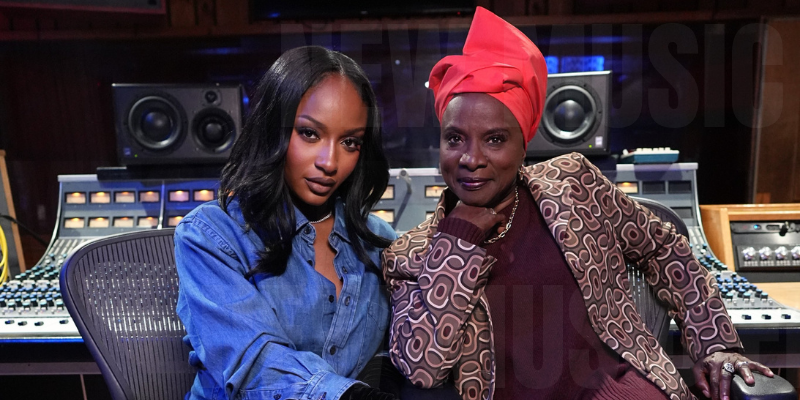
Across Africa, creator-focused funding companies assess earnings, provide advances, manage platforms such as YouTube, offer creative direction, recoup investments, and reinvest. This model is helping more creators produce higher-quality films and long-form projects — for example, Chude recently announced creator funding. This space is poised for further growth in 2026.
AI integration in music creation
Artificial intelligence is moving from novelty to practical application within music creation.
Between 10 and 20% of songs released over the next one to two years are likely to include some form of AI input, including background vocals, songwriting assistance, vocal layering, or production support. Rather than replacing artists, AI enhances efficiency and expands creative possibilities.
Interest in AI-generated music catalogues is also growing. These songs are designed for environments where the identity of an artist is less relevant, appealing to listeners who prioritise the music itself over personal association.
Experiments are not new: as early as 2020, producers released projects credited to AI bands and digital collaborators, such as Sou’’s Everything Dies project with The Anasi. What is changing now is scale, adoption, and acceptance. Beyond music, AI-driven visuals, videos, and animated formats are increasingly common within the creative space.
Streaming as a core rollout channel
Streaming is becoming central to how artists, creators, and public figures build audiences and release work.
More established celebrities are streaming regularly, using live and long-form formats to connect directly with fans. Platforms and companies are emerging to support this behaviour with tools, monetisation systems, and distribution infrastructure.
Streaming is no longer an optional add-on to a rollout; it is now integral to release strategies alongside music drops, tours, and media appearances. Industry players should position themselves to benefit from this ongoing shift.
House music will continue to grow
House music has developed strong community roots and continues to grow across different cities.
In Lagos and beyond, consistent event attendance is driven by house music audiences who participate weekly or monthly, drawn by shared experience and connection rather than hype. Events such as Monochroma, Element House, Group Therapy, Tamba with Ifeme, and Sweat It Out showcase this trend, while other cities like Abuja (Tempo Abuja) and Calabar (NOCTURNA Rave) are building their own scenes.

Expect more house music releases, experimentation, and deeper integration with local sounds. In Nigeria, the genre is entering a stage where growth is less about introduction and more about evolution.
Short-form videos will remain a gateway
Short-form content will remain a central tool for Nigerian creators and musicians in 2026.
With over 150 million internet users in Nigeria, most accessing content via mobile devices, short videos are ideal: they load quickly, use less data, and deliver entertainment or information efficiently. Creators are increasingly monetising platforms like TikTok, Instagram Reels, and YouTube Shorts. A 15-second snippet of a new song can reach millions across Africa and the diaspora. TikTok alone has over 30 million users in Nigeria, making it a powerful avenue for music promotion and creative visibility.
@tchello_ai #Messi #challenge #tyla #chanel @TYLA ♬ CHANEL – Tyla
Short videos also align with local storytelling practices, from skits and comedy to dance and music challenges, creating viral cultural moments. Platforms are investing more in African markets with localised features and creator funds, giving Nigerian musicians and creatives expanded tools, reach, and monetisation opportunities.
Quick Predictions for 2026
- More DJs will achieve superstar status.
- Crypto may emerge as a formal alternative for payments.
- Afrobeats is likely to regain global attention beyond recent years.
- Traditional music videos may decline as labels pursue viral social media strategies.
- Nostalgic content from 2016—including songs, movies, and products—may experience renewed popularity as audiences embrace “2026 as the new 2016.”