





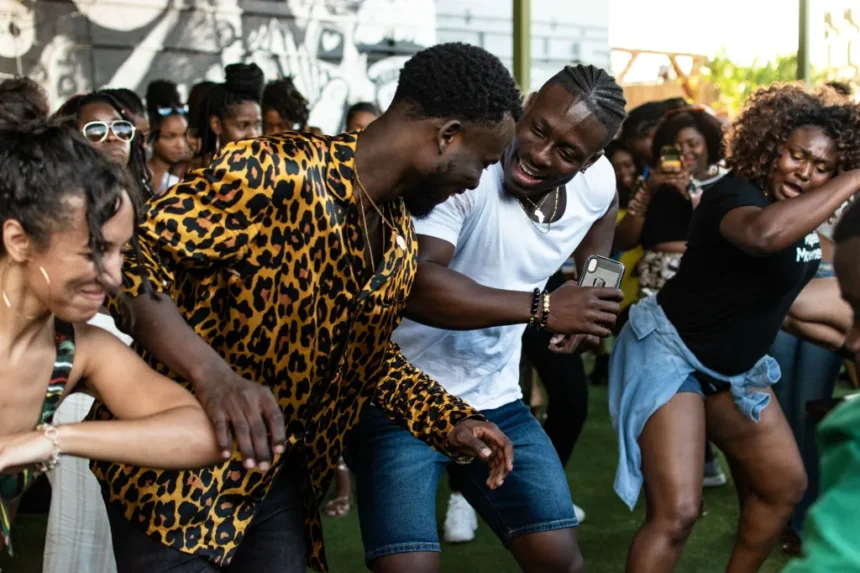
If there’s anything we’ve learnt from observing Nigerian music throughout 2025, it’s that the landscape has never been more fragmented than it is today. Over the years, the Nigerian music ecosystem has steadily evolved from a big marketplace to operating in what many industry players refer to as silos.
Traditionally, silos come from agriculture. The word is used to describe closed structures created to store and protect farm produce. In the context of the music industry, the word is used to describe pockets of audiences and subcultures which operate differently. These silos are shaped differently; some are regional or city-based, others are built around niche genres, and others exist on social media.
Communities based on regional, genre-based or social platforms
One of the clearest examples of a regional silo in Nigeria is the South East hip-hop movement. Hip-hop has always had a home in the Southeast, Nigeria, with the region producing legendary acts like Illbliss, Mr Raw, Phyno, and Ruffcoin, to mention a few. However, the last few years have seen the region develop a distinct, hip-hop-crazy ecosystem fuelled by the popularity of drill music, embraced by acts like Jeriq, Legendary Styles, Highstarlavista, Aguero Banks, and Rhatti, to mention a few. These rappers, delivering grit-heavy street rap in Igbo, laced with local slang and storytelling, enjoy strong regional loyalty.
It is the strong regional loyalty that these rappers enjoy that fuels many of their most incredible successes. For example, in 2024, Jeriq sold out the 30,000-capacity Nnamdi Azikiwe Stadium in Enugu, as well as the 20,000-capacity Chuba Ikpeazu Stadium in Onitsha, a remarkable feat that even acts like Wizkid, Burna Boy, and Olamide might struggle to replicate. An indication that the Southeast hip-hop silo is a powerhouse in its own right, capable of producing monumental moments independent of the broader national scene.
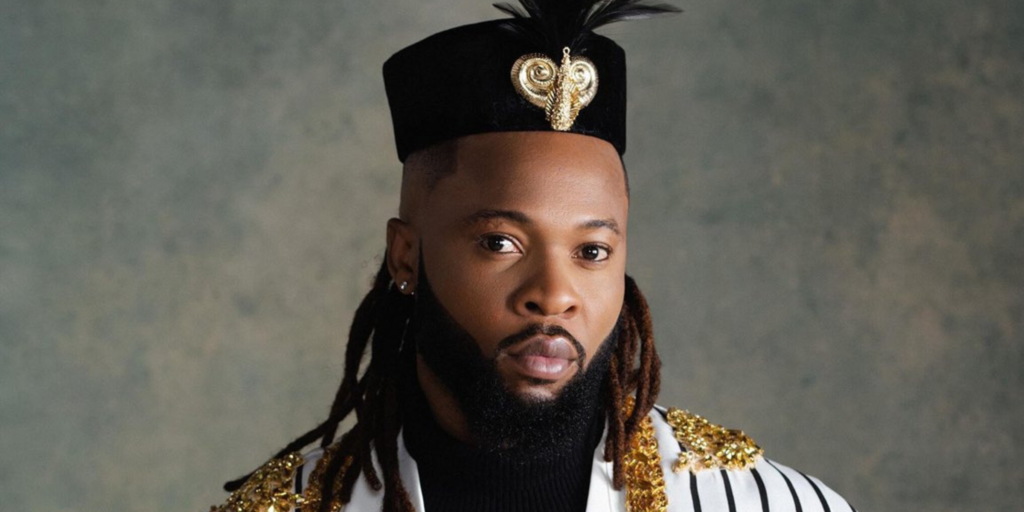
Not all silos are tied to geography. Some are built around style, taste and sound. Take Zaylevelten, an artist whose music resonates deeply with Gen Z “cool kids” who enjoy rap in the style of Playboi Carti and similar avant-garde trap influences. He has enjoyed massive streaming success this year with his mixtape Then It Got Crazy, which sat comfortably in the top five of the Nigeria Apple Music Top Albums chart for multiple weeks. His following isn’t massive in the traditional sense, but it is highly engaged and loyal. Tickets to his December event, Craziest Show on Earth, sold out almost immediately, with additional batches of tickets released to meet the overwhelming demand.
Nigeria’s underground rock is another silo built around sound. Driven by artists like ClayrocksU, ASingerMustDie, Korny (frontman of the band LoveSick), and The Recurrence who continues to exist, despite receiving almost no coverage or support from the mainstream.
Social-media-based silos are also increasingly defining success in today’s ecosystem. TikTok has evolved into a silo on its own, breaking artists and sustaining careers through highly engaged micro-communities. Artists like Timmie, Serotonin, Tmzy & Yiizi, to mention a few, built careers within this ecosystem before scoring successful mainstream records.
Shoday is one of Nigeria’s biggest TikTok stars. In an Echo Room interview, he revealed that he used to post over 60 videos on TikTok consistently. When his song Caution blew up on the platform, it translated into mainstream success, which he has sustained with hits like Screaming Beauty and Hey Jago.
We are in the democratized era
Having established how fragmented the Nigerian music industry is today, it’s important to note that this fragmentation isn’t necessarily a bad thing. In fact, it has opened up the ecosystem in ways that were unimaginable a decade ago. There was a time when every artist, regardless of genre or background, had no choice but to uproot their lives and move to Lagos just to give themselves a chance at success because Lagos was the centre of everything. The media, labels, influencers, and the entire machinery of the music business were situated in Lagos.
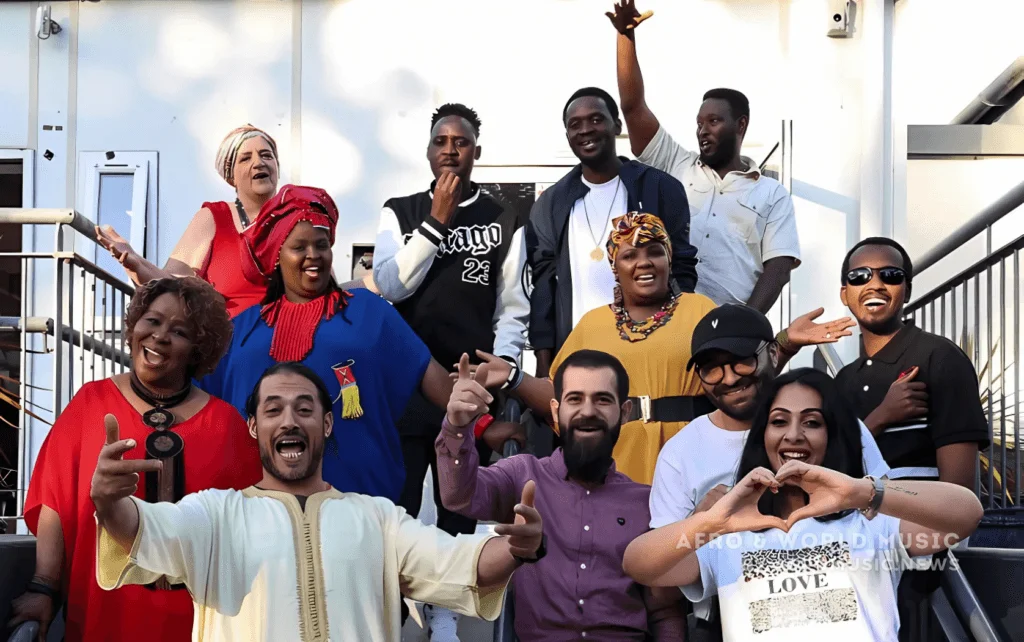
Now the industry is democratised, and success is no longer tied to being in Lagos or fitting into one dominant sound. There are now multiple pathways to build successful careers in Nigerian music, either through regional fanbases, genre movements or social media-specific ecosystems like TikTok.
What ties all these pathways together is one simple truth: the common denominator is community. Whether it’s Zaylevelten’s Gen Z trap loyalists, Jeriq’s Southeast stronghold or Shoday’s TikTok army, the artists winning in today’s ecosystem are the ones who build communities.
In 2026, the artists’ communities would play a crucial role in the success they enjoy. In a fragmented ecosystem like ours, community is the true currency of music.
The music landscape in Nigeria today is more competitive than it has ever been. It is also highly capital-intensive, with industry players usually saying it takes up to 50 million naira to break a song. The fastest and relatively easiest pathway to mainstream success is by building a community. We’ve seen it play out where artists signed to labels struggle to make a dent in the mainstream due to the competitive nature of the mainstream. Having a community gives artists an edge, not only guaranteeing active listenership but also showing up physically, filling venues, driving ticket sales, and amplifying releases on social media.
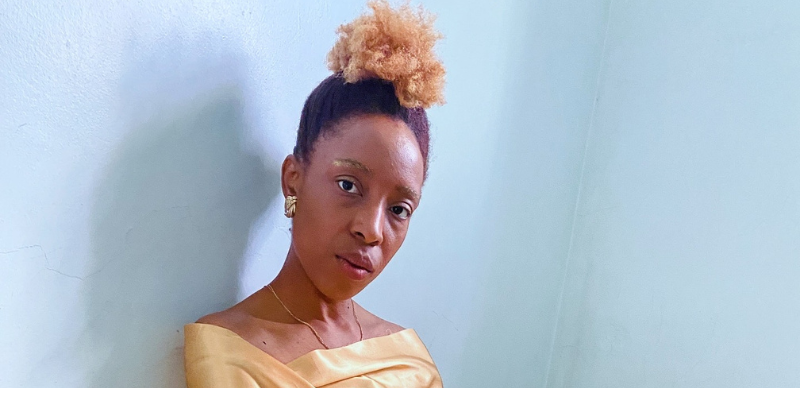
Nigerian artist Swayvee told African Folder earlier this year that he built a community on Facebook by consistently sharing freestyles and engaging with the fans. That community became the driving force behind the success of his single Wild alongside Yarden, DMS,
Para alongside Zhus Jdo and the viral hit single US, demonstrating that a small but dedicated fanbase can amplify an artist’s work and serve as a reliable substitute for conventional marketing channels.
This reveals that communities are not just passive consumers; they are active participants.
For artists, this means that building a dedicated community is no longer optional; it’s central to scaling and finding success in today’s music ecosystem.