





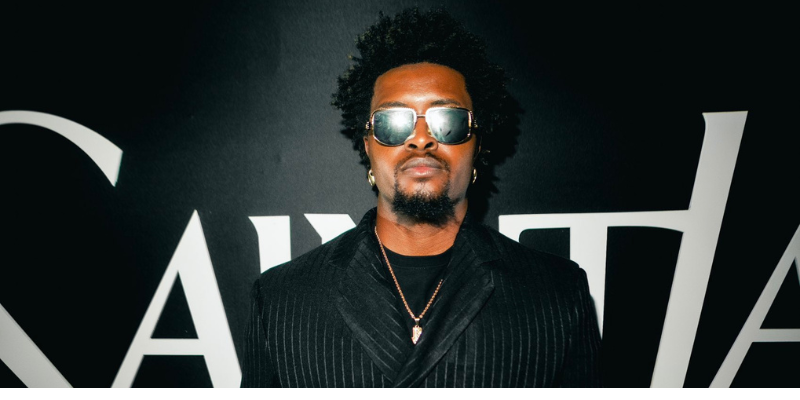
When Jemedafe Caleb Ukoli threw his first party in high school, he had no idea he was laying the foundation for what would become KVLT WRLD, one of Lagos’s most dynamic 360 creative and entertainment companies. Today, as founder of the innovative outfit that blends music, lifestyle, and technology, Partyboy manages some of Africa’s most exciting musical talents and runs events that are reshaping Nigeria’s entertainment landscape.
But the journey from party organiser to entertainment mogul wasn’t a straight line—it was paved with debt, difficult lessons, and the kind of calculated risks that separate dreamers from builders.
The ₦2.3 million lesson
Before KVLT WRLD became synonymous with innovative artist management and electrifying live events, Jemedafe was a university student with big dreams and even bigger debts. In 2019, he organised “Let’s Relate”, an ambitious platform designed to bridge his university with Covenant University through sports and music, creating opportunities for upcoming artists.
The concept was bold: have the Covenant University basketball team play against Landmark’s team, then bring in Rema—who had just dropped his debut EP—to perform. “In my head I was thinking like, yo, I should be able to do like 4k, 5k, maybe 3k plus with Rema,” Jemedafe recalls. “That math was what I’d like to call baby math, because I didn’t have the experience with it.”
He took a loan of ₦500,000 each from two people. One was the son of a professor at his school; another’s father owned a popular hotel. He also secured sponsorship from a friend whose father owned Fedan Investment Limited, plus activation support from Coke.
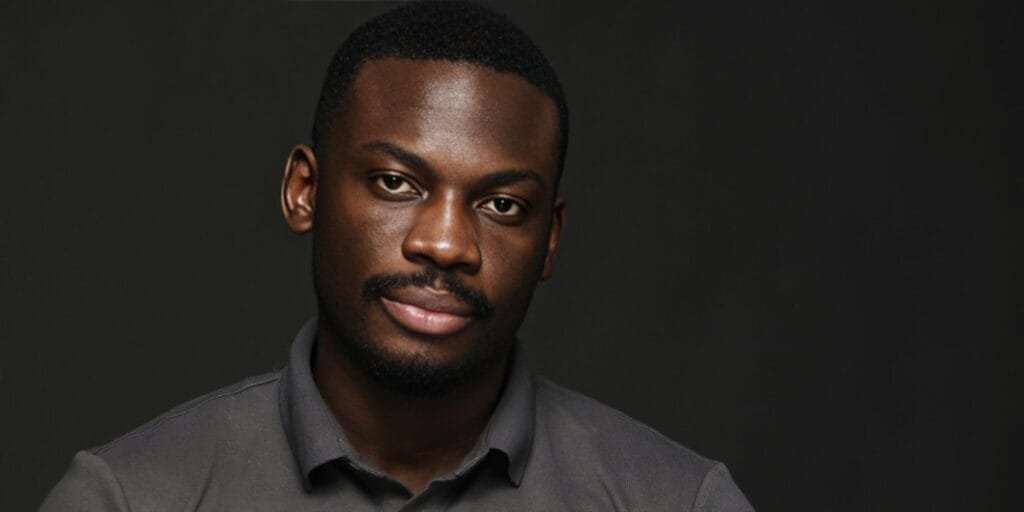
The numbers tell a sobering story: the event cost ₦2.3 million but only generated ₦1.7 million in revenue. Around 2,000 people showed up, but tickets sold for just 1,000 Naira—a pricing mistake he now recognises. “If I had limited myself to like 1,000 people and then run the plan for the business to hit some form of profit for 1,000 people, if I hit 2k, then I’m exceeding. Even if I failed, it would have been like 1,500.”
The aftermath was brutal. Jemedafe found himself ₦600,000 in the red. The loans had fixed terms—500,000 borrowed meant ₦750,000 owed. When he returned the principal but couldn’t pay the interest, one lender sent a police letter to his mother’s house, giving him 30 days or threatening arrest. The other reported him to the school dean through his professor father.
“The Dean literally told me to my face, ‘I’ll make sure you get expelled,'” Jemedafe remembers. “I was a target in school for a while because of that debt.”
He had to take another loan just to pay back the interest on the first. “There was a lot of crashing out. The artist was delaying. I put things in people’s hands that I didn’t check their competence to achieve. Those things affected the show. Looking back now, a lot could have been thought out properly. But it was my first time doing something at that scale in Lagos.”
The story could have ended there—another cautionary tale of youthful ambition outpacing reality. Instead, it became the crucible that forged Partyboy’s business philosophy.
Jemedafe met Jerry Sashah one day and told him about Let’s Relate. Jerry had already seen what Jemedafe had done online and had been looking for him. He brought Hennessy on board.
Hennessy offered to sponsor the events, wanting to make them bimonthly instead of once a year. “After the event in June 2019, I had to come up with the next plan for four more events that year, but this time funded by Hennessy,” Jemedafe explains. The scale transformed overnight—events that cost ₦300,000 for staging now had budgets of nearly ₦4 million for production alone.
The bimonthly events started generating revenue. “I think I made my first supposed profit from Let’s Relate at, like, the fourth event,” Jemedafe says. “That was where I finally got money in my hands, and I used that money to buy laptops so I could get better on my decks and all of that stuff.”
More importantly, he learnt to balance bold vision with calculated risk management. The experience taught him everything about managing expectations and clear communication—lessons that would become non-negotiable in his future ventures.
An unexpected beginning
Jemedafe’s path to entertainment wasn’t conventional. Growing up near Aswani in Isolo, he understood the Yaba market intimately. While studying mechanical engineering at Landmark University—dreaming of becoming an aeronautical engineer—he was simultaneously building a fashion hustle that would teach him invaluable business lessons.
“I would go to Katangua and buy Okrika outfits,” Jemedafe recalls. “I’d buy a shirt for maybe ₦100 or ₦200, dry clean it, and sell it for ₦2,000. The clientele in my university went to private school—they could afford it. 2,000 for them was too cheap because the boutique would sell shirts for maybe 12k or 15k.”
It was arbitrage at its finest, and it worked because Partyboy understood both worlds—the Yaba market hustle and the private university consumer.
He also did modelling for a while, but his creative pursuits began affecting his grades. The constant auditions and shoots impacted his attendance. “I started noticing that modelling and fashion were affecting my grades in school,” he admits. “At some point, I’m like, okay, I don’t think this modelling thing is good for me right now.”
In 2019, Jemedafe conducted what he calls a “life analysis”—a deep dive into what truly drove him. “I asked myself, ‘What’s the one thing you can do in your sleep?’ And that was throwing parties.”
The turning point came with MAF, a fashion show at his university. “It was the biggest thing my school had ever done. About 2,000 people. That was where my name started picking up.” The success confirmed what he’d been feeling: his future lay in entertainment, not textbooks.
The Instagram DM that changed everything
October 2019. Jemedafe was scrolling through Instagram when he stumbled upon a video of a young artist covering a Blaqbonez song. Something about the performance struck him.“I texted him on Instagram, like, ‘Yo, you’re fire. Would you be down to perform at my show in October?’
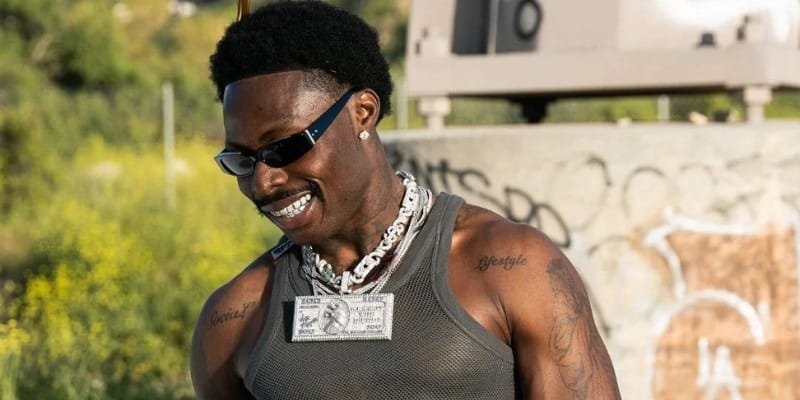
The artist was Victony, then still in school. The logistics were simple—cover the transport, about 10 or 15k, to get him from school to Lagos. He performed at the October 2019 edition of “Let’s Relate”, and the two developed a rapport that went beyond the typical artist-promoter relationship.
By January 2020, Victony asked Jemedafe to manage him. Partyboy’s response was honest: he had zero experience in artist management.
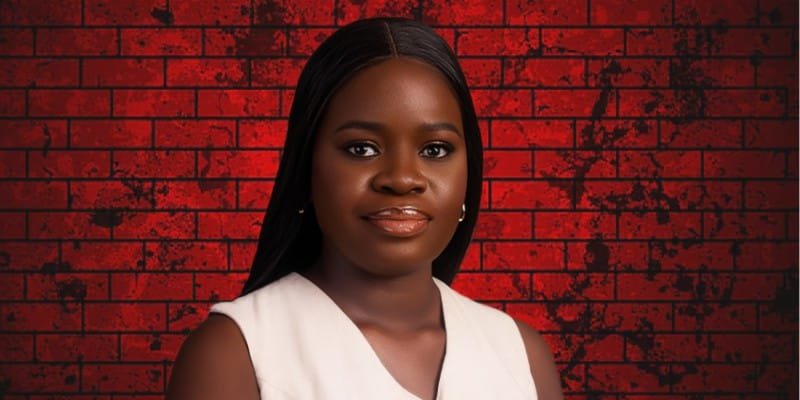
He said yes anyway.
“He asked me to manage him in January 2020, and then COVID gave me the opportunity of a lifetime,” Jemedafe explains. “In February, COVID hit. Everybody had to pack their bags and leave school. We had eight months, so I directed my COVID into learning about the music business and learning about the entertainment business.”
The timing was providential. “I agreed to manage him in March when we had come home after COVID. I was just investing time into learning about the business and trying to figure out how to do it.”
They released their first project together in 2020—the Saturn EP. But Jemedafe is clear about the difference between then and now: “At that time, I had the idea. My ideas worked, yes, but I still have ideas. Now I can lean into my experience to make better decisions. It’s like every project I drop, the next project I’m going to drop, I’m compounding experience from 2020 to 2025 that will help me make better decisions. In 2020, I had an idea. Now I have experience.”
KVLT WRLD’s philosophy
KVLT WRLD’s evolution mirrors Jemedafe’s own journey. The company started as “KVLT Reality”, a fashion brand with a clear mission.
“It was called redefining culture. That was the motto of the brand,” Jemedafe explains. “KVLT Reality is redefining culture—it’s still the same motto. At that point in time, it was fashion. I was trying to redefine the way people saw fashion.”
His approach was unconventional: “People were making suits in Ankara, making bags in Ankara. They were reimagining European clothes with African materials. I’m like, okay, that’s cool. But why don’t we redefine it and take a look at the African styles of clothing with European materials? Why don’t I make a velvet agbada? Why can’t I approach African clothing from a European standpoint with their own materials?”
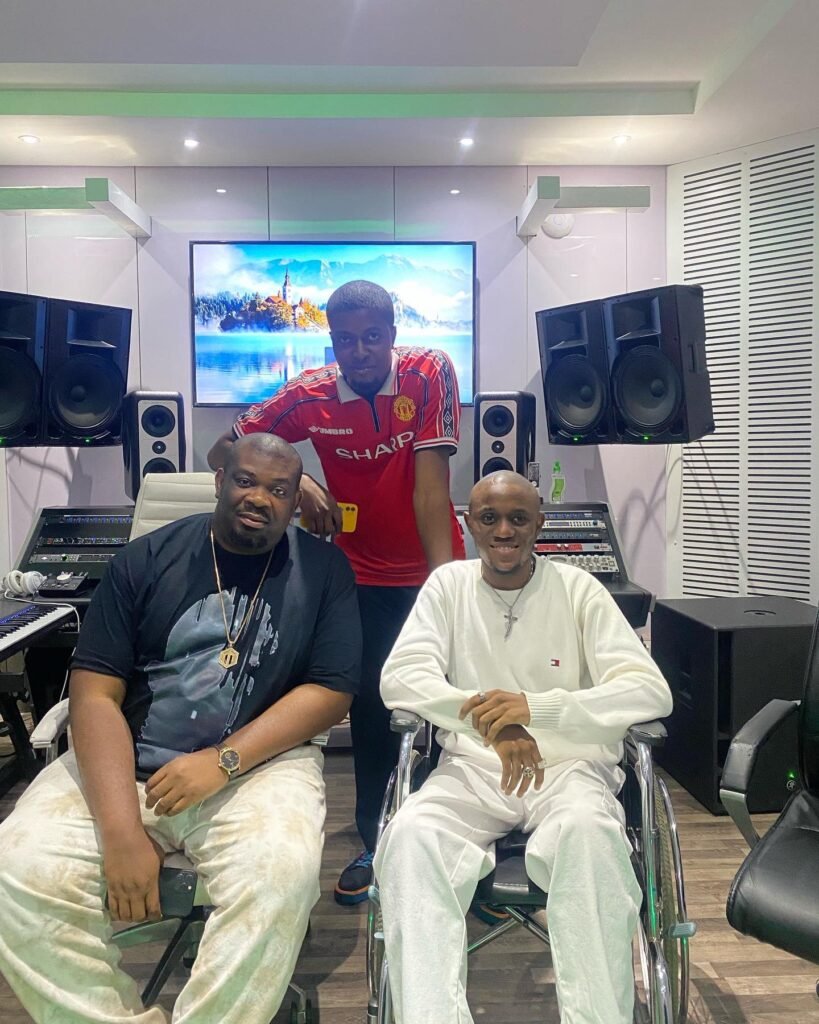
When Partyboy expanded beyond fashion into entertainment, the motto stuck. “When I dropped fashion as an interest to focus on entertainment, that thing stuck in my heart—to still be able to redefine culture. So when I created the mission for KVLT, it’s still redefining culture, just from a different standpoint.”
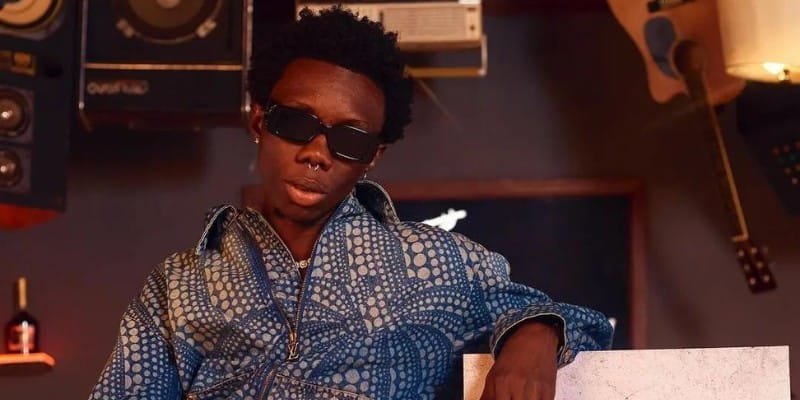
That philosophy now extends to how KVLT WRLD approaches artist development. When Jemedafe signed Llona, he didn’t just ink a deal—he invested in building a studio, handled distribution, and organised a nationwide tour. The tour wasn’t just about performances; it was a marketing strategy to take Llona’s music directly to fans and build a cult following before mainstream recognition.
“You have to understand what makes each artist unique and tailor your strategy accordingly,” Jemedafe emphasises. “There’s no one-size-fits-all approach,” he added.
“Even in the Day”: Creating culture, not just events
Perhaps nothing illustrates Partyboy’s “out of the box” thinking better than “EVEN IN THE DAY”, a daytime party series built around DJ Six7even, whom he’s been managing since 2022.
The concept emerged from a simple observation and a strategic conversation. “We saw a gap for daytime parties in Nigeria—there were no running daytime parties, absolutely none,” Jemedafe explains. “Six7even was pestering me to release music, and I’m like, I don’t think releasing music is the next play for you.”
Instead, Partyboy wanted to build a culture around the DJ. “I needed to create a culture around him. I’d done research and figured out what would work for a DJ. I like standing out, so I want him to stand out.”
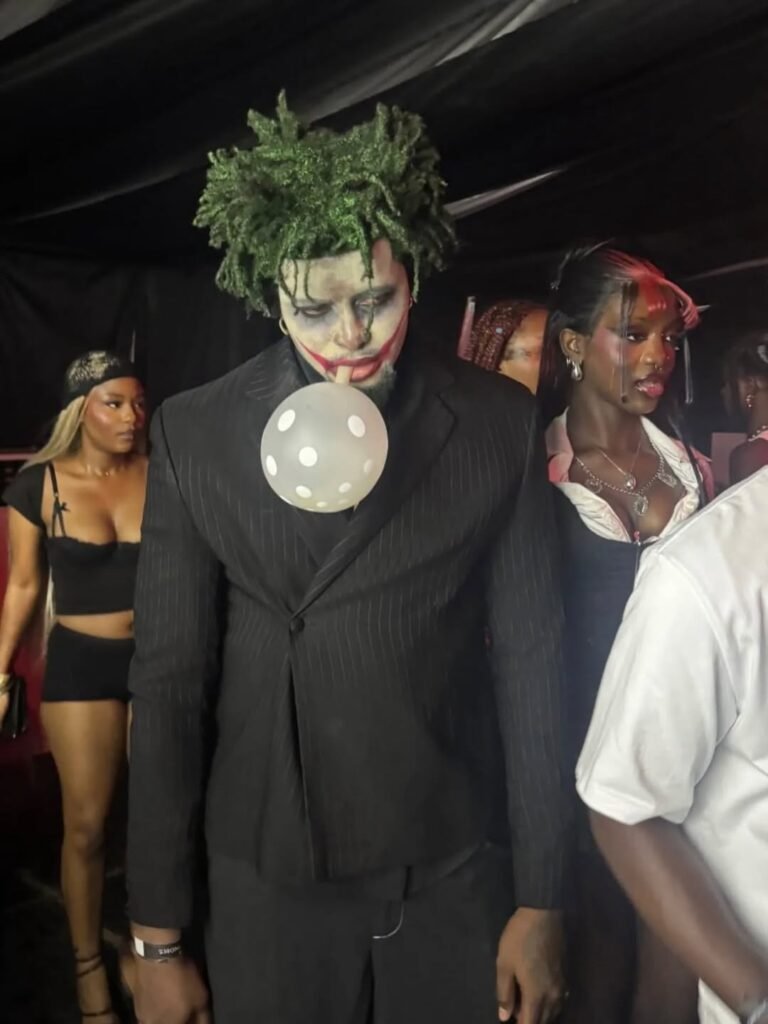
The name itself was a branding masterstroke. “We wanted to tie the day party event to his name. Six7even—the end of Six7even is ‘even’. We wanted to create a day party, showing people they could party in the day. So we came up with ‘Even in the Day’ for brand alignment.”
The impact has been transformative. “When we talk about it till now, we know where we were before we started doing ‘Even in the Day’,” Jemedafe says. “His business has scaled significantly since then. We’ve been able to impact culture. What we did with ‘Even in the Day’ has changed the way people see DJs right now.”
One innovation stands out: “Putting people behind the DJ—it was never a thing in Nigeria. DJs were not even respected enough to be seen as the front guys. When I’d seen what DJ Obi was doing, that inspired me, and I had to bring my own flair.”
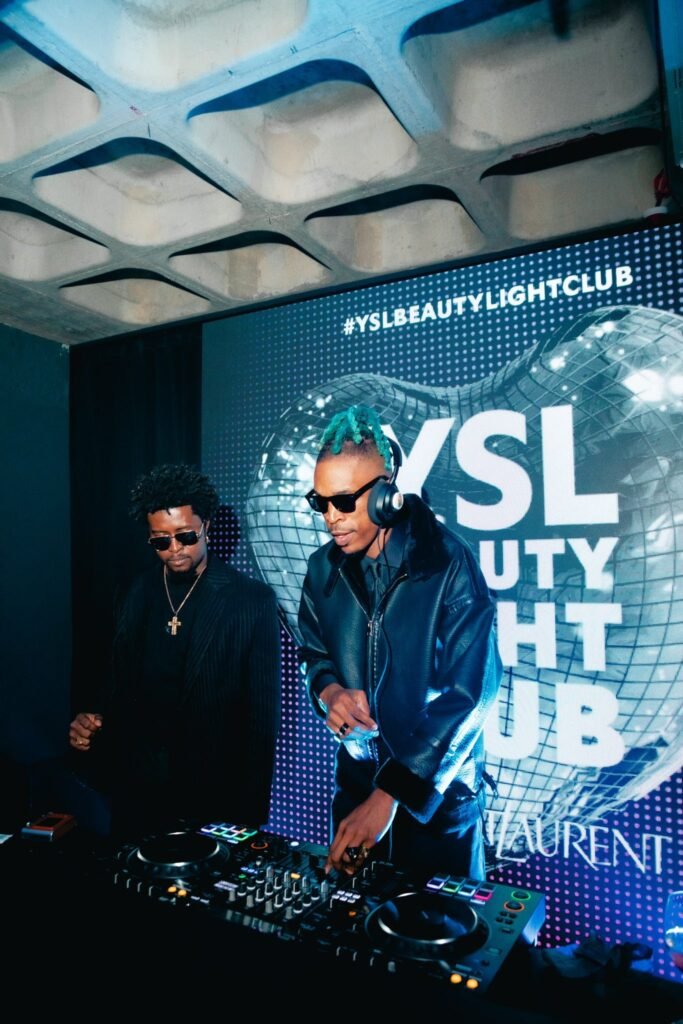
The strategic value extended beyond brand building. “We had a community that we could push music to when we wanted to release music,” Jemedafe notes. “With Even in the Day, we were able to help the platform and push the music further.”
The gut-feel business model
Ask Jemedafe about his decision-making process, and he’ll tell you about gut feelings. It’s not recklessness—it’s intuition honed by experience, failure, and an intimate understanding of his market.
When he decided to invest heavily in Llona’s album, it was a gut call. When he acquired MONOCHROMA, the same story. These weren’t decisions made in boardrooms with PowerPoint presentations—they were born from Partyboy’s ability to see potential where others see risk.
“I trust my instincts and my passion for the projects I invest in,” he says. “But that instinct is built on lessons learnt, including the hard ones.”
The “Let’s Relate” debt taught him about due diligence. The Hennessy sponsorship taught him about relationship building. Managing Victony taught him about patience and long-term vision. Each experience deposited knowledge into the bank account he now draws from when making split-second decisions.
What sets Jemedafe apart in Nigeria’s crowded entertainment landscape is his exceptional ability to identify raw talent and guide artists to success. As an A&R executive, he doesn’t just sign artists—he shapes careers, helping African talents like DJ Six7even, Llona, and Victony achieve global recognition.
His approach combines street-level intuition with strategic business planning, understanding not just who’s talented, but who has the drive, authenticity, and unique qualities to break through in an increasingly competitive market.
The unsexy secret to success
If there’s one lesson Jemedafe emphasises repeatedly, it’s the importance of clear communication and managing expectations. It’s not the flashiest business advice, but it’s the foundation of everything KVLT WRLD does.
“People get excited about the big deals and the sold-out shows,” Partyboy notes. “But behind all of that is constant communication—with artists, with sponsors, with partners, with fans. When you’re clear about expectations, you eliminate most problems before they happen.”
It’s a lesson learnt from his early struggles, when miscommunication and unmet expectations nearly derailed his career before it began. Now, it’s non-negotiable.
The ultimate goal for Jemedafe
Today, Jemedafe’s vision extends far beyond individual artists or events. He aims to build one of the biggest entertainment companies out of Africa, with a mission to redefine the creative economy by blending music, lifestyle, and technology into seamless experiences.
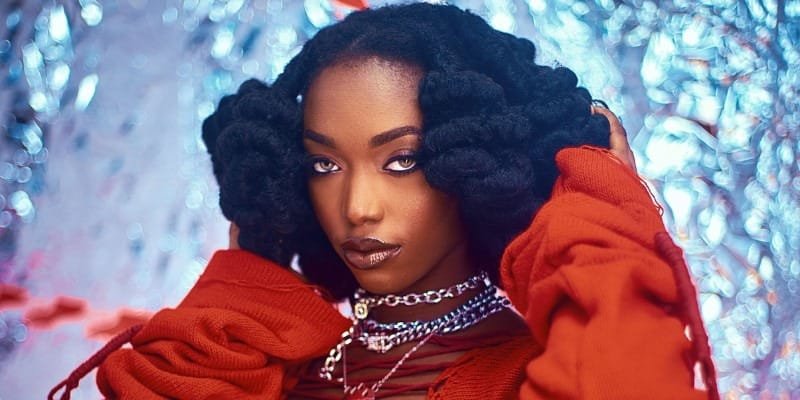
Plans include expanding back into fashion and merchandising, creating a full-circle brand that touches every aspect of entertainment and culture. It’s ambitious, but then again, so was organising a ₦2.3 million event as a university student.
The difference now is experience, infrastructure, and a proven track record. KVLT WRLD has evolved from Jemedafe’s high school party dreams into a legitimate force in African entertainment—managing artists, creating cultural moments, and proving that Lagos can compete with entertainment capitals anywhere in the world.
Jemedafe Caleb Ukoli represents a new generation of African entertainment entrepreneurs—creatives who are equally comfortable discussing artist development and balance sheets, who understand that building sustainable businesses requires both passion and pragmatism.
His story—from debt-laden student to successful A&R executive, manager, and event producer—isn’t just inspiring. It’s instructive. It shows that failure isn’t fatal, that bold risks can pay off when combined with clear communication and learning from mistakes, and that the future of African entertainment is being built by people willing to stay “out of the box”.
As KVLT WRLD continues to expand its roster and influence, Partyboy remains focused on the fundamentals that got him here: spotting talent, creating unique experiences, taking calculated risks, and never forgetting the lessons learnt when an event costs ₦2.3 million but only makes ₦1.7 million.
Because sometimes, the best education doesn’t come from engineering textbooks—it comes from being ₦600,000 in debt and figuring out how to turn that into one of Africa’s most promising entertainment companies.